Understanding and Preventing Damp in Your Home
Rising damp, penetrating damp and condensation are the three most common types of damp situations that may affect a home. Identifying the root cause and treatment is the easiest way to avoid it leading to further issues.
All homes have an element of moisture in the air that occurs naturally. Many of us will unfortunately experience damp in our homes at some point and whilst there are three main types of damp, there can be numerous causes.
However, there are also many ways in which we can control the conditions that lead to damp. In this guide, we look at what causes damp in houses and how to reduce or eliminate it altogether.
Condensation and Damp - Understanding the Difference

What is Condensation?
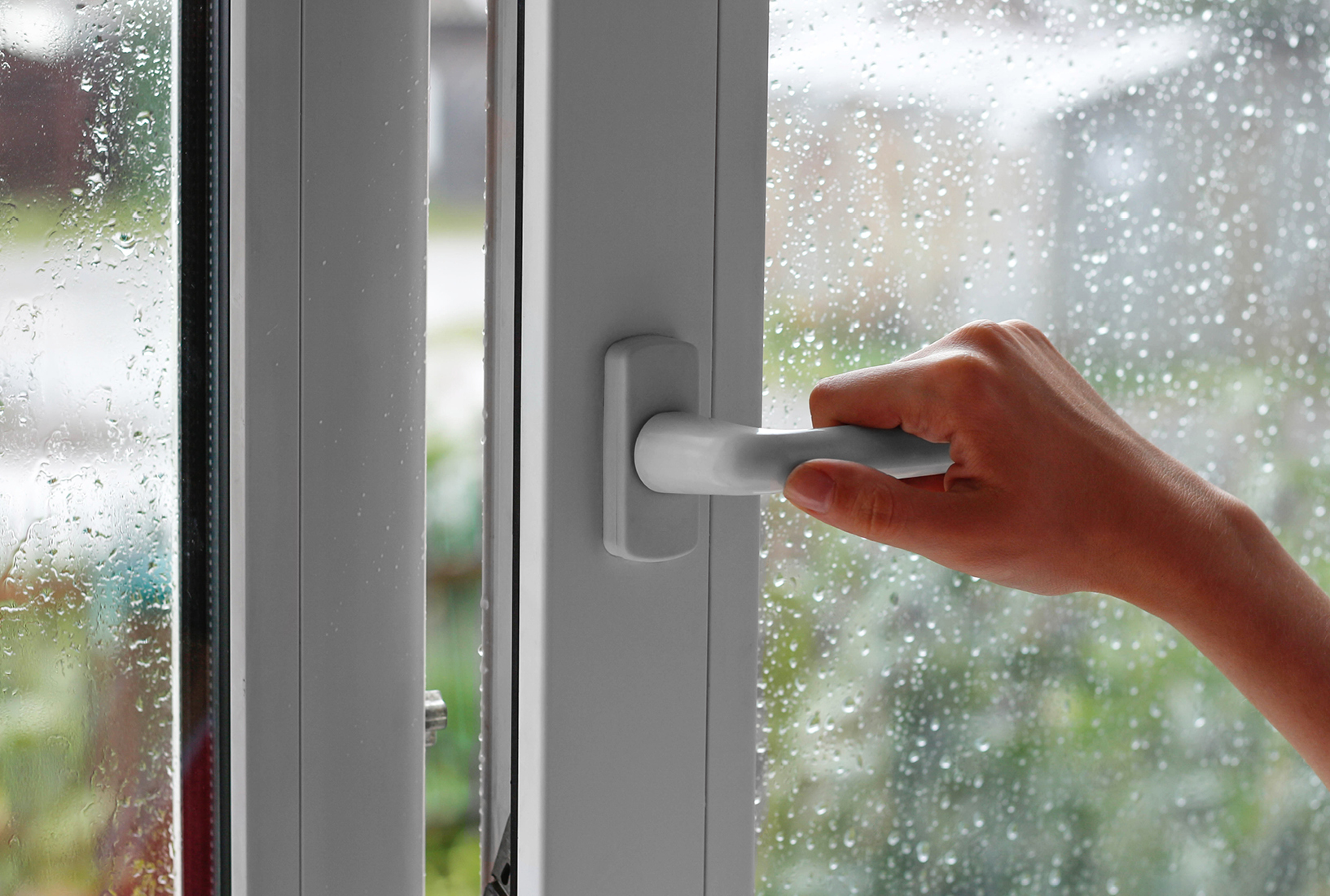
Condensation occurs inside your home when moist air hits a cold surface. This moist air then condenses on cool surfaces such as walls, windows, tiles, and mirrors leaving behind small drops of moisture.
Condensation can be caused by excessive moisture in the air, lack of ventilation and/or heating. Condensation can cause black mould to form on walls, window frames, carpets and soft furnishings.
Condensation commonly occurs in kitchens and bathrooms where high levels of moisture are produced due to increased activity in these areas. Taking the necessary steps to manage condensation in your home reduces the risk of further issues developing.

What is Rising Damp?
Rising damp affects ground floor rooms and is caused by ground water soaking up into the walls and floors.
This is usually because a damp proof course or damp proof membrane is not working. Rising damp appears at ground level, mainly along skirting boards causing visible staining on the wall in the form of a tide mark and flaking paint.
Rising damp can occur when there is poor drainage or blocked drains.

What is Penetrating Damp?
Common causes of penetrating damp may include blocked or damaged guttering, or downpipes.
Other causes can be damaged roof valleys, broken or damaged roof tiles, coverings or flashings as well as leaking pipework within walls, floors and roof spaces.
Penetrating damp will often appear as damp patches on walls or ceilings, which may darken when it rains.
Dealing with Condensation & Mould
Having visited and assessed your home for damp and condensation, we are ready to take the next steps to reduce and manage condensation in your home, help keep mould at bay and prevent more serious issues.
We are here to help you
If you have an issue with condensation or mould in your home, please let us know using the online form below.


